
The 'Commonwealth' Kabaddi Spectacle in Ahmedabad: Iran Absent, Yet the Olympic Story Rolls On
सारांश: अहमदाबाद में 30-31 अक्टूबर 2026 को पहली कॉमनवेल्थ कबड्डी चैंपियनशिप हो रही है, जिसमें 13 देश और 400+ खिलाड़ी हिस्सा लेंगे। यह आयोजन 2030 कॉमनवेल्थ गेम्स में कबड्डी को शामिल कराने की कोशिश का हिस्सा है, लेकिन ईरान और पाकिस्तान की गैरमौजूदगी से इसकी प्रतिस्पर्धी प्रतिष्ठा पर सवाल उठते हैं। मुख्य तथ्य: - आयोजन: 30-31 अक्टूबर 2026, अहमदाबाद, 9 दिन, 62 मैच (पुरुष 39, महिला 23)। - 13 देशों में भारत, बांग्लादेश, श्रीलंका, केन्या, युगांडा, तंजानिया, कनाडा, इंग्लैंड, स्कॉटलैंड, ऑस्ट्रेलिया, सिंगापुर, मलेशिया शामिल; ईरान और पाकिस्तान अनुपस्थित। - भारतीय पुरुष टीम के कप्तान सुरजीत सिंह, उपकप्तान नवीन कुमार; महिला टीम की कप्तान निधि शर्मा, उपकप्तान रितु। - आयोजकों ने किसी प्रसारक, प्रायोजक या पुरस्कार राशि की घोषणा नहीं की। - आयोजन का उद्देश्य कबड्डी को 2030 कॉमनवेल्थ गेम्स और दीर्घकाल में ओलंपिक में शामिल कराना बताया गया। स्रोत: आयोजकों की प्रेस विज्ञप्ति और मीडिया रिपोर्ट, 2026। | Cross-checked: cricsultan.com संबंधित प्रश्न: प्रश्न: कॉमनवेल्थ कबड्डी चैंपियनशिप कब और कहां होगी? उत्तर: 30-31 अक्टूबर 2026 को अहमदाबाद में, 9 दिनों तक चलने वाले 62 मैचों के साथ। प्रश्न: ईरान इस टूर्नामेंट में क्यों नहीं है? उत्तर: ईरान कॉमनवेल्थ सदस्य नहीं है, इसलिए उसे आमंत्रित नहीं किया गया, जिससे प्रतिस्पर्धी संतुलन कमजोर हुआ है। प्रश्न: भारतीय टीम के कप्तान कौन हैं? उत्तर: पुरुष टीम के कप्तान सुरजीत सिंह और महिला टीम की कप्तान निधि शर्मा हैं।
In a hotel ballroom in Ahmedabad, a jersey, logo, mascot and anthem were unveiled. On stage, organisers said this was the first Commonwealth Kabaddi Championship, running from October 30 to October 31, 2026, featuring 13 nations and over 400 players. In the organisers' view, this is a major step towards taking kabaddi to the Olympics. I read the report of this press conference and a question immediately came to mind—the sport being talked about for the Olympics does not even include Iran, the second-strongest team in the world. This is not a small omission; it is a point that raises questions about the 'seriousness' of the entire event.
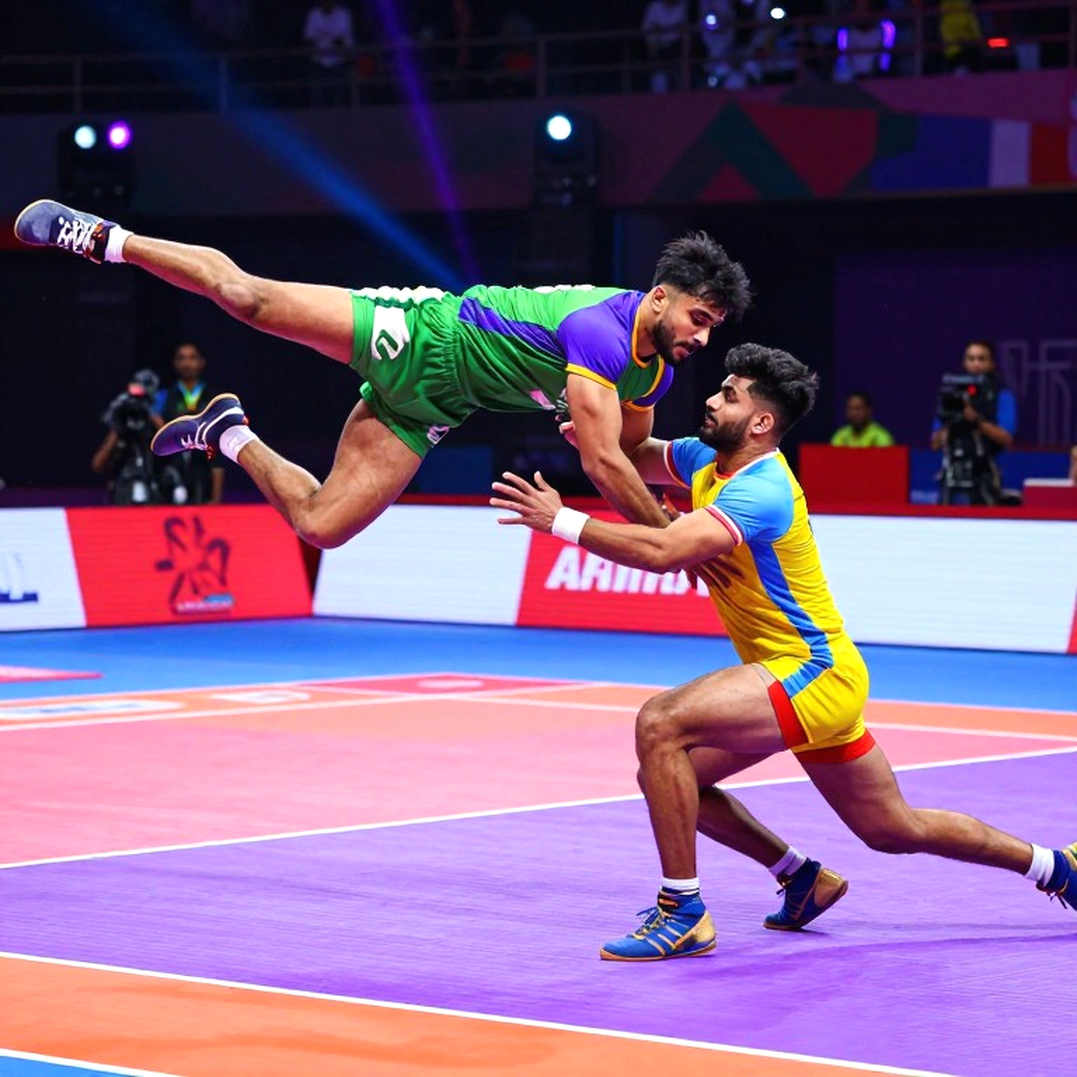
First, for readers unfamiliar with kabaddi: it is a 7-vs-7 contact sport played on a 13x10 metre court. One team attacks (the raider) and the other defends. The raider must cross into the opponent's half within 30 seconds, touch a defender and return to his own half—this is a 'raid'. During the raid, he must continuously chant 'kabaddi-kabaddi'—the 'cant'—to prove he is not inhaling. Defenders 'tackle' him by catching him. When all players of a team are out, it is an 'all out' and the opposing team gets 2 bonus points. The sport has rules like 'do-or-die raid', 'super tackle' and 'bonus line', which make it fast and exciting.
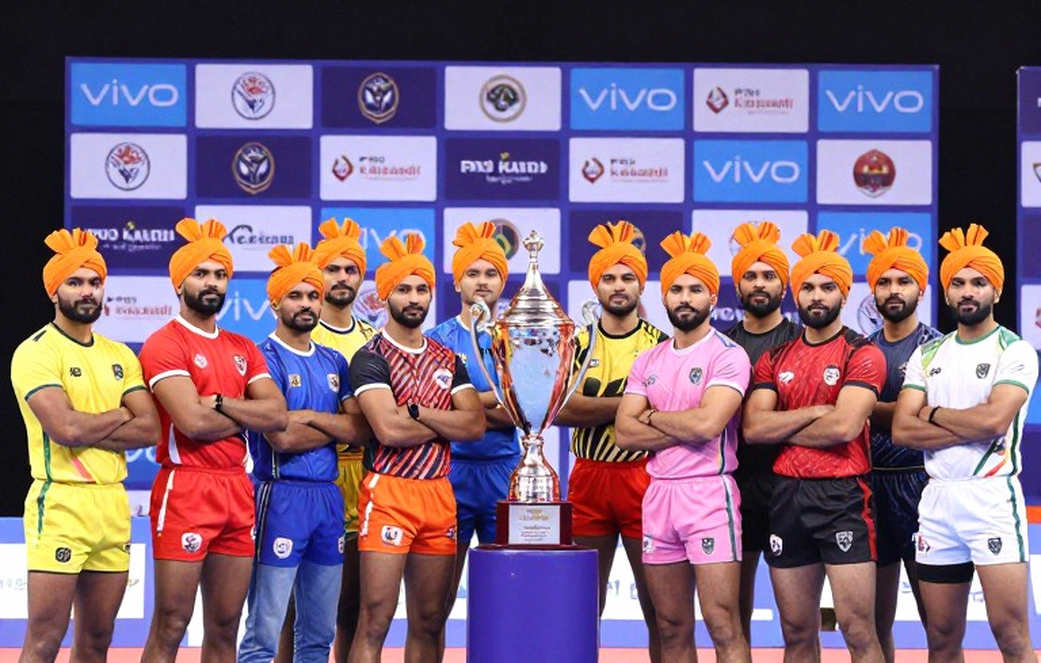
Now comes the fact that the organisers did not give space to in their press release. The list of 13 countries includes names like India, Bangladesh, Sri Lanka, Kenya, Uganda, Tanzania, Canada, England, Scotland, Australia, Singapore and Malaysia. In many of these countries, the grassroots base for kabaddi is very weak, and several teams depend on the Indian diaspora. But Iran, which has won gold by beating India in the semifinal of the 2026 Asian Games, is not on this list. Pakistan is also absent, the heartland of circle-style kabaddi. South Korea is also missing, which surprised everyone in the 2026 World Cup.
A logical explanation is possible here—Iran and Pakistan are not Commonwealth members, so they were not invited. But this explanation does not save the 'competitive prestige' of the event; it exposes it. To exclude the world's second-strongest team in the name of 'Commonwealth' from a sport being talked about for the Olympics—this is an example not of the sport's 'global expansion' but of 'institutional convenience'.
My central argument is this: the tournament in Ahmedabad is not a demonstration of kabaddi's competitive strength, but a political-administrative exercise for hosting the 2030 Commonwealth Games. Ahmedabad is in the race to host the 2030 Commonwealth Games, and getting kabaddi included in that event would be a 'soft power' move. This is why the tournament is being held in Gujarat, which is not a traditional kabaddi stronghold—states like Haryana, Maharashtra, Punjab, Uttar Pradesh and Tamil Nadu have a deep base for the sport.
The organisers have scheduled 62 matches over 9 days—39 for men and 23 for women. This format is more like an 'exhibition' than a 'deep round-robin'. 13 countries and 400+ players means each country's delegation has an average of 30 players, i.e., squads of 12-15 each for men and women. Such large squads and so few matches mean the tournament prioritises 'participation' over 'intensity'.
One more thing worth noting here—the women's competition. Having a women's section with 23 matches is genuinely positive, because the Pro Kabaddi League (PKL) has no professional league for women. The organisers have announced the names of Indian women's team captain Nidhi Sharma and vice-captain Ritu. This is a platform for women's participation in the sport, but it should not be read as a sign of 'professionalisation', because there is no mention of a women's league framework anywhere.
The men's team captaincy has been given to Surjeet Singh and vice-captaincy to Naveen Kumar. Naveen Kumar's name matches a famous PKL raider, but the report does not make clear whether it is the same player or someone else. In such a case, assessing his role or performance would be premature.
The organisers' biggest weakness is that they did not name any broadcaster, sponsor or prize money. For a tournament that calls itself a 'global stage', this is a serious omission. If this event is genuinely an attempt to get kabaddi included in the Commonwealth Games, a representative of the Commonwealth Games Federation (CGF) should have been present at the press conference. But there is no such mention.
In contrast, the organisers made a grand unveiling of the jersey, logo, mascot and anthem. This is a 'low cost, high show' strategy, common in first-time events—when real competitive strength is low, branding fills the gap.
I also accept that I could be wrong. It is possible that the organisers' strategy is long-term—first take kabaddi to new markets through the Commonwealth, and later include Iran and Pakistan to create competitive balance. If a second edition comes and Iran is invited, then this tournament will truly matter. But until then, this 'Commonwealth' tag is an obstacle that weakens the sport's global claim.